

Can You Smell Asbestos?
Like many deadly substances, asbestos often hides in plain sight and can go completely undetected until it’s disturbed. Completely odourless, it’s impossible to detect through smell alone. And unlike natural gas, which has a scent added to warn you it’s near, you could be breathing in asbestos fibres without even knowing it. With so many health issues associated with asbestos, we’re here to tell you more about detecting asbestos and ways you can tell if you’re at risk.
What People Think Asbestos Smells Like
Despite common misconceptions, you cannot detect asbestos through smell. However, some people mistakenly believe that certain smells are associated with asbestos, when in reality, the odours are caused by other materials or conditions, many of which also have their own dangers. Smells People Associate With Asbestos Having worked with hundreds of clients over the years, there are a few common smells that people assume means that asbestos is present:
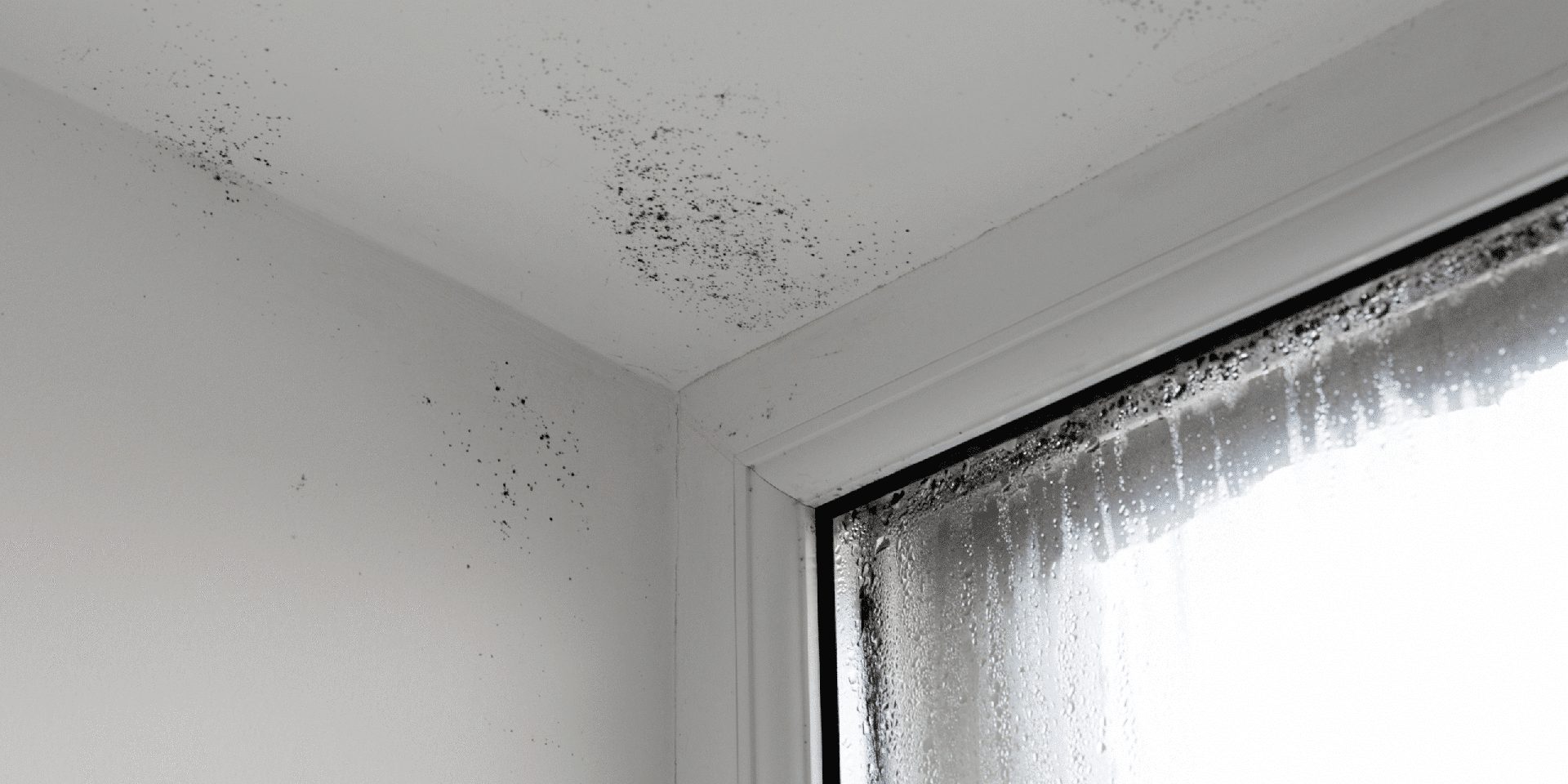
- Damp or mould in walls or ceilings Old homes, especially those that haven’t been well maintained, can be particularly susceptible to damp and mould, caused by leaks or condensation. While that damp, dank smell can certainly indicate the presence of mould, it is not linked to asbestos. However, if you do smell damp in a property, there’s a good chance that you’re inhaling mould spores, which can be harmful to your health. Be sure to see a professional to deal with the underlying cause.
- Dust from degraded insulation or plaster That chalky dusty smell that irritates your nasal passage could be a sign of a housing issue, but it isn’t asbestos related. Dust from degraded insulation or plaster hangs in the air and is easily disturbed if it has settled on surfaces. It may signal that your walls or ceilings need to be replastered, but doesn’t indicate asbestos is present.
- Old building materials breaking down over time Plenty of other building materials can degrade over time, and the older the home is, the more likely that it will be a problem. While older homes are also more at risk of containing asbestos, the two things aren’t directly linked. From dry rot to woodworm, the first sign of many construction issues is a scent in the air. Investigate where the smell is coming from, then bring in the professionals to tackle the issue.
Remember, while the smells we’ve discussed above might indicate ageing infrastructure, they don’t signal that asbestos is present. With no taste, smell, or visible warning signs, there’s simply no way to know whether you’re dealing with asbestos without a lab test.

Why You Can’t Trust Your Senses
The real danger of asbestos isn’t just asbestosis and the other associated illnesses, it’s how easily you could be getting exposed to the fibres without even realising. You can’t:
- See airborne fibres The fibres themselves are so fine that they aren’t obvious to the naked eye. They’re also so light that they can remain airborne for hours, creating an additional risk to anyone living in or nearby the property.
- Smell them Asbestos is a natural mineral and has no smell. In fact, the worst thing you could do is sniff asbestos, because you may inhale its fibres.
- Feel irritation at low levels Asbestos fibres aren’t as obvious to touch as fibreglass insulation and other fibrous building materials. In general, you’re unlikely to feel any irritation at all. It’s the long-term inflammation that the fibres cause inside your lungs and respiratory system that causes the damage.
That’s why many people are unknowingly exposed, especially when disturbing materials during DIY or home improvements. The only way to confirm the presence of asbestos is with a professional survey and lab analysis.
Where Asbestos Could Be Hiding in Your Home
So if you can’t smell, see or feel asbestos fibres, how do you know if it’s present in your home? There are common areas asbestos is found, and someone who has dealt with asbestos over a long period begins to get good at predicting whether it’s likely to be present. That being said, even our experts rely on proper testing to confirm whether a material is in fact asbestos. The fibres were once widely used in construction, which means that buildings constructed before the late 1970s are most at risk. We cover some of the most common areas it can be found in What Does Asbestos Look Like, but you can find a high-level overview below. Common Locations For Asbestos Include:
- Artex ceilings and textured coatings Often found in older homes, many decorative finishes were mixed with asbestos to improve their durability and fire resistance.
- Pipe lagging and boiler insulation Asbestos was commonly used to insulate hot water pipes and boilers because of its excellent heat-retention properties.
- Floor tiles and adhesives Many 9-inch or 12-inch vinyl tiles and the bitumen adhesive fixing them contain asbestos, especially in homes built pre-1980s.
- Cement roof sheets and garage walls Asbestos cement was a common material for outbuildings thanks to its weather resistance and low cost, it’s still present in many garages and sheds.
- Old fuse boxes and electrical panels Electrical parts were often lined with asbestos insulation to reduce fire risk, particularly around breakers and backing boards.

Why You Should Contact a Professional
You simply can’t rely on smell, sight or instinct when it comes to asbestos. So, if your home was built before 2000, it’s a good idea to get expert guidance, especially if you’re doing any of the below. Buying or selling a property Provide peace of mind to potential buyers, or to yourself, by commissioning an asbestos survey prior to buying or selling a house. Not only can you flag potential issues before they appear, but you’ll also save time, headaches and hassle in the long run. Planning home renovations Before you drill a hole or knock down a wall, it’s crucial to know what you’re working with. A flippant attitude can put both homeowners and tradies at risk, not to mention the legal implications, so invest in an inspection prior to beginning any destructive work. Spotting damaged or suspicious materials If you see any of the materials we’ve mentioned above in your home, from suspicious floor tiles to ancient fuse boxes or radiators, it’s best to get them checked. Ignoring the problem won’t make it go away, and knowledge lets you tackle the problem head on.
How we can help
At em1, we provide asbestos surveys, encapsulation and removal across Yorkshire. If you’re unsure whether your property contains asbestos, or simply need some expert advice, contact our team today. We’re here to help you make informed, safe decisions. Book online now or speak to our team.