

Why Was Asbestos Banned In The UK?
Once considered the king of building materials, asbestos was heavily utilised in UK homes and commercial spaces. Today, it’s fallen from grace and is the bane of many property owners’ existence. But why was asbestos banned in the UK? Why was it so popular for so long? And perhaps the biggest question we get asked, just how dangerous is asbestos? If you’ve recently bought a property in the UK and are learning about asbestos for the first time, you’ll find everything you need to know in this article.
What is asbestos?
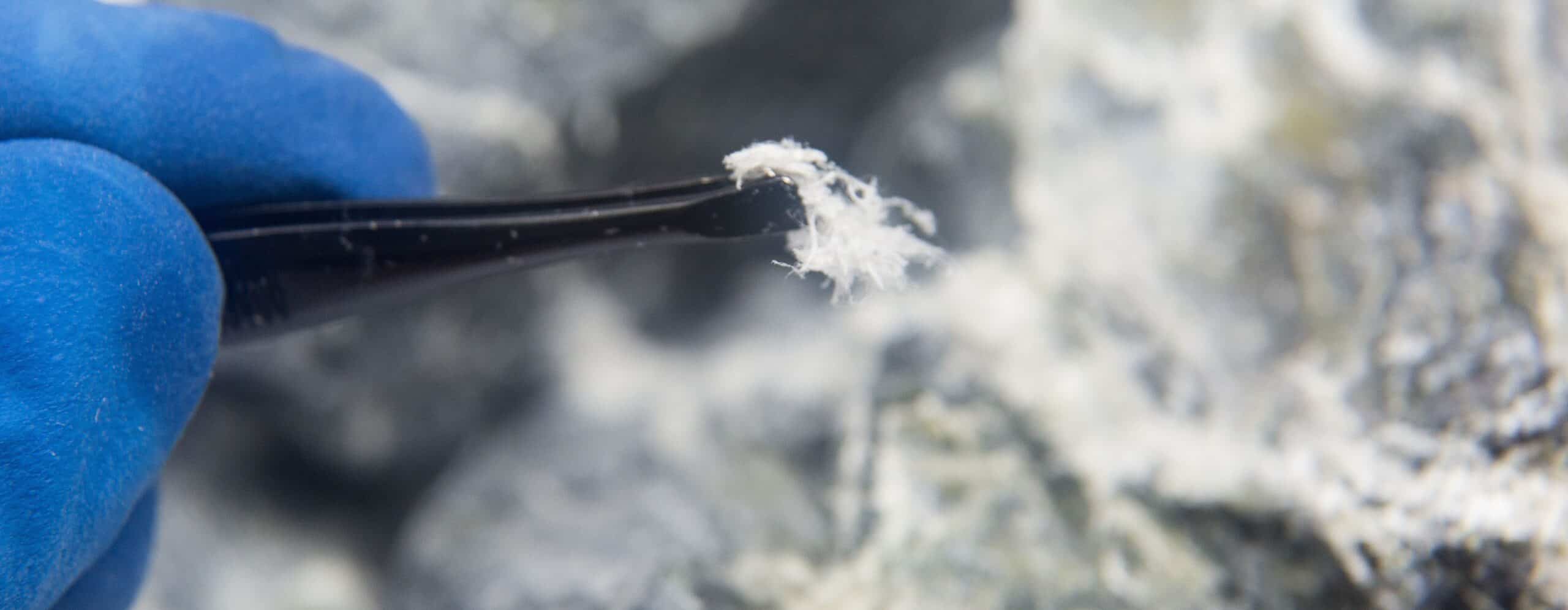
While many people assume that asbestos is a manmade material, it’s actually a group of naturally occurring fibrous minerals that have fire-resistant, hard-wearing properties. Reaching peak popularity between 1940-1980, it was widely used in construction, shipbuilding, and machinery, but has been around much, much longer. In fact, asbestos fibres were used in candle wicks as early as 4000 B.C. In the UK, asbestos has primarily been valued for its fire resistance, durability, and insulating properties. In the post-war population and industry booms of the mid 1900s, it was used almost everywhere, especially in the construction industry. Floors, ceilings, walls – seemingly anywhere could benefit from asbestos. That is, of course, until things started going wrong.
When did asbestos stop being used?
By the late 1970’s, there was growing awareness about the detrimental impact asbestos was having on human health. Although cases of asbestos-related illness had been recorded for decades, the full scale of the impact took longer to be felt. Sellers of asbestos products began to face a growing number of legal cases. People who had worked with the product were experiencing numerous health issues, particularly with the respiratory system. By 1985, the use of blue and brown asbestos had been completely banned in the UK. But, with decades of usage, the problem didn’t disappear. More people came forward to sue their employers for asbestos exposure, and a complete ban on all asbestos types was enacted in 1999. Today, there are no asbestos products available for purchase in the UK. However, asbestos-containing materials can still widely be found in buildings that were constructed before the ban. Often, it’s not until an owner decides to renovate that they realise their building is one of those affected.
Why is asbestos dangerous?
As a team that works day in, day out, with asbestos, we understand better than most just how dangerous asbestos is. However, many clients approaching us for the first time are just learning about it. It’s incredibly important to understand the risks involved in asbestos exposure, as a flippant attitude can risk the health of you and anyone in the immediate area. So, why is asbestos dangerous? Here are the basics:
What does asbestos do?
As we discussed earlier, asbestos fibres are prized for their hardy nature, not breaking down easily. While this made it ideal for creating long-lasting products, it’s not ideal if those fibres find their way into your body. Ordinarily, asbestos fibres are encased in another product, such as cement or plaster. However, if the material is disturbed, whether due to demolition, renovation, or something as simple as drilling, those fibres become airborne. Airborne fibres can easily be inhaled and settle in the lungs, where they remain, unable to be absorbed or expelled. Over time, this can lead to tissue damage, inflammation, scarring (asbestosis) and cell mutations. The longer your exposure, the greater your risk of serious respiratory diseases, including an increased risk of cancers, particularly mesothelioma and lung cancer.

What is asbestos poisoning?
Prolonged exposure to airborne asbestos fibres can also lead to asbestos poisoning, sometimes referred to as “asbestos exposure” or “asbestosis”. A long-term health condition, its common symptoms include shortness of breath, persistent cough, and chest pain. Nothing can be done to cure asbestosis, and you can’t reverse the damage. Once those fibres are in your lungs, they’re there to stay. This is why professional asbestos removal is so important. We’ve undertaken extensive training on the safe management and removal of asbestos, minimising the risk to ourselves and to anyone in the area.
What are the 4 major asbestos-related diseases?
We’ve touched on a few asbestos-related diseases in this article, but the severity of asbestos exposure really can’t be overstated. There are four major life-changing conditions that you increase your risk of by being exposed to asbestos, and most worryingly, even a minute exposure can increase your risk. We all have different bodies and different sensitivities, and while a retired builder may have been exposed throughout their life and had no reportable issues, someone else could be impacted after a single brief exposure. And remember, while you may feel you can take that risk for yourself, disturbed asbestos can stay airborne for as long as 48 to 72 hours and travel miles on the wind. You have no control over who else becomes exposed. In summary, here are four of the ways asbestos can impact a person’s life.
- Mesothelioma: A rare, aggressive cancer affecting the lining of the lungs or abdomen.
- Lung cancer: Higher risk in individuals exposed to asbestos, especially smokers.
- Asbestosis: Scarring of lung tissue causing breathing difficulties.
- Pleural thickening: Thickening of the lung lining, causing chest pain and reduced lung function.

Suspect asbestos in your property? Contact us about asbestos removal
If you suspect your property may contain asbestos, your first step should be to contact a certified asbestos removal specialist. Our team can inspect the area, test samples for asbestos and provide you with a quote for safe, professional removal. The more properties we can rid of asbestos, the healthier an environment we can create for the future. Speak to us today about visiting your property.