


How Cold Weather Affects Asbestos Risks in Older Buildings
Why Cold Weather Makes Asbestos More Dangerous
Cold weather isn’t just a problem for pipes and boilers. It can also make hidden asbestos hazards more dangerous. Asbestos-containing materials (ACMs), once common in UK construction, may become brittle, cracked or disturbed in winter conditions, especially in commercial and industrial buildings built before 2000. This blog explores how colder months impact asbestos risk and what property managers and building owners can do to stay safe.
Why Older Buildings Still Pose a Risk
Many commercial and industrial buildings still contain legacy ACMs, especially in roofing, insulation, pipe lagging and ceiling tiles. Asbestos doesn’t pose a significant risk when sealed and undisturbed – but as buildings age, so do the materials that protect us from exposure. Older buildings are more likely to suffer from wear and tear. Combine that with weather stress, and asbestos fibres can become airborne – increasing the chance of inhalation.

How Cold Weather Impacts Asbestos Materials
- Thermal Contraction & Cracking
As temperatures drop, building materials shrink. When heating systems are activated, they expand again. This repeated contraction and expansion can lead to cracks and structural stress, especially in older asbestos-cement panels, insulation and pipe lagging.
- Freeze–Thaw Cycles
Moisture can enter small cracks in ACMs. When temperatures drop below freezing, water expands, worsening the damage. Over time, this cycle can weaken protective surfaces and release fibres – particularly in exterior structures like roofs or gutter linings.
- Heating Systems & Indoor Disturbance
When dormant heating systems are turned on after months of disuse, they may vibrate or disturb asbestos-lagged pipes and ductwork. In some cases, asbestos can be dislodged simply from movement or heating-related pressure changes.
- Poor Ventilation in Winter
To keep heat in, many buildings are sealed up tight during winter. This reduces fresh air circulation. If asbestos fibres are released, poor ventilation increases the risk of them lingering indoors, raising the risk to anyone in the building.
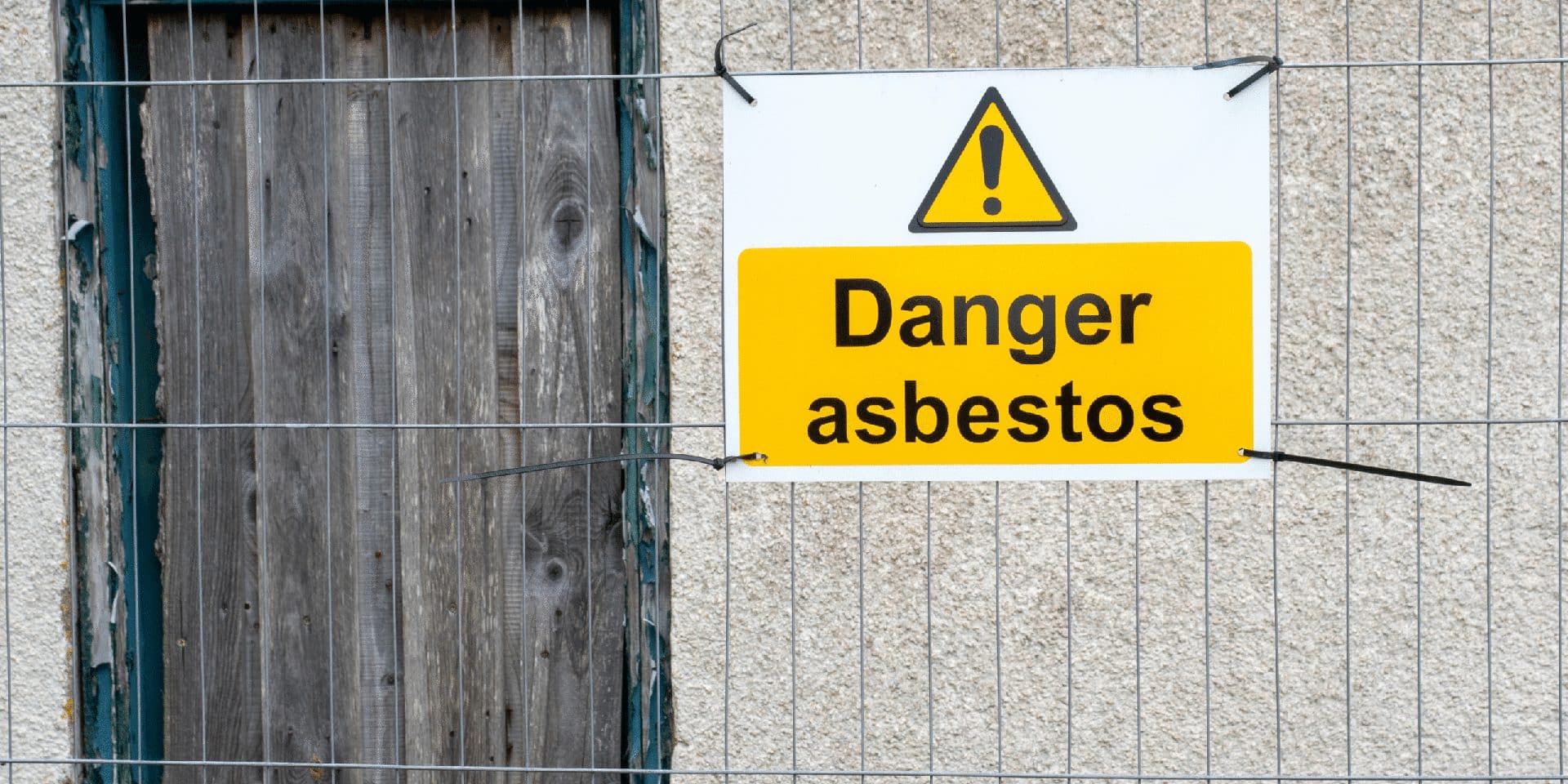
Why Industrial & Commercial Premises Are Especially Vulnerable
Commercial and industrial buildings have unique features that make them particularly susceptible to asbestos risks in colder months. From their sheer size to the materials used during original construction, winter can create ideal conditions for asbestos disturbance.
- Asbestos was widely used in these building types, especially for insulation, fireproofing and roofing.
- Many such buildings are large and older, with maintenance often deferred.
- Winter creates a “perfect storm”: condensation, heating stress, and minimal airflow.
- Staff or contractors carrying out winter repairs may accidentally disturb ACMs.
Routine checks and professional surveys are crucial during this time of year.
What Building Owners Should Do Before and During Winter
Schedule an Asbestos Survey
If your building was built before 2000 and hasn’t had a recent asbestos check, book a professional survey before winter sets in. Early detection reduces risks and informs safer maintenance planning.
Monitor High-Risk Areas
Pay attention to:
- Roofing sheets and external panels
- Pipe lagging near boilers
- Suspended ceilings and insulation
- Areas prone to condensation or leaks
Any signs of damage or deterioration should be addressed immediately.
Maintain Ventilation Where Safe
Where possible, ensure some airflow to prevent the accumulation of any airborne fibres. Mechanical ventilation or timed airing may help.
Limit DIY or Unplanned Maintenance
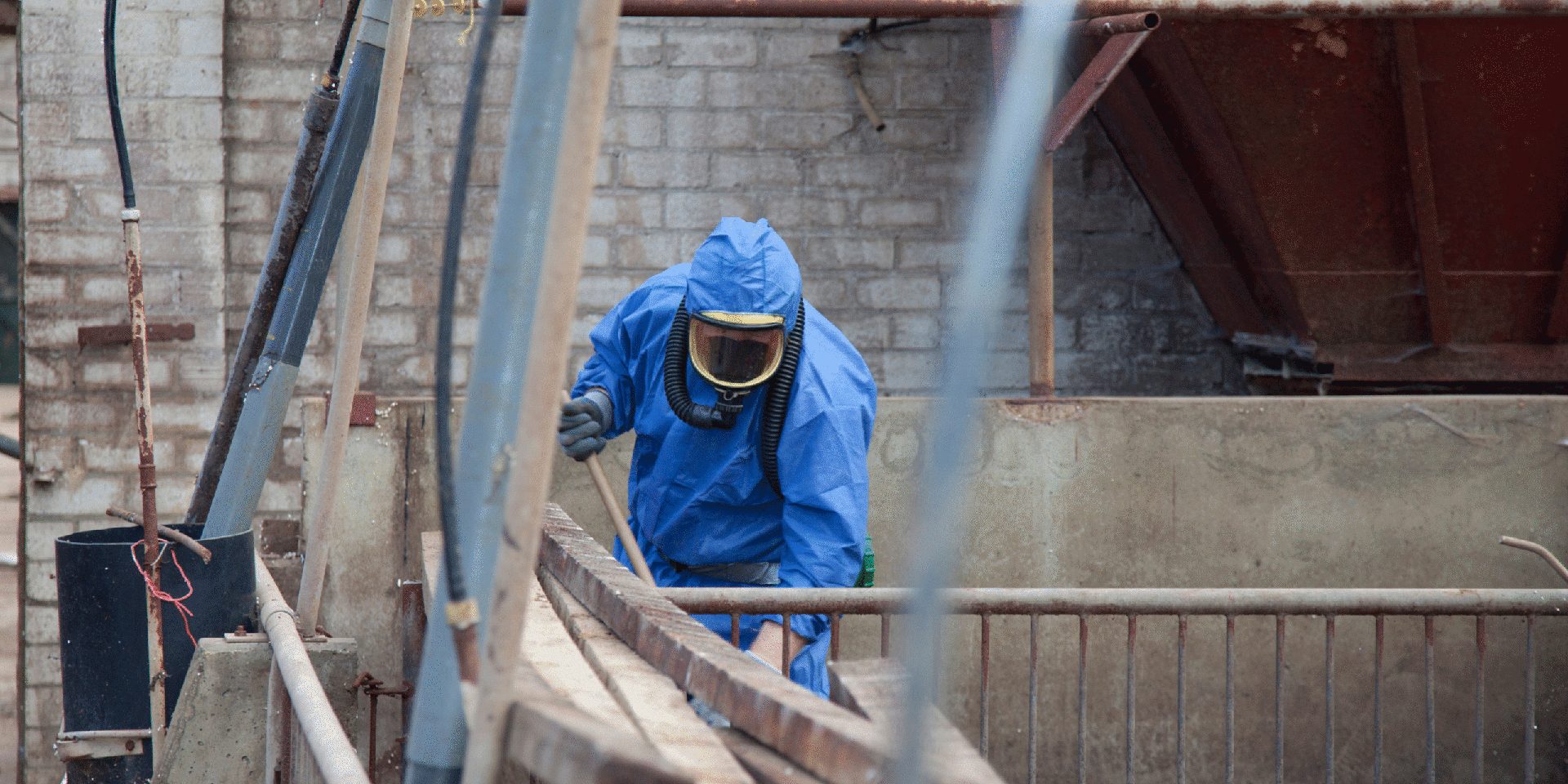
Winter is not the time for unsupervised drilling, renovations or pipework adjustments. Work involving potential ACMs should always be conducted by trained professionals with proper protective equipment.
Need Expert Help?
At em1, we specialise in uncovering and managing hidden asbestos hazards in commercial and industrial buildings. If you’re concerned about how the colder months may be affecting your site, contact em1 today.