


Disposal vs Encapsulation: Which Asbestos Removal Method Is Right for You?
When asbestos is discovered in a property, the immediate thought is often to remove it as quickly as possible. But removal isn’t always the only option. In some cases, encapsulation can be just as effective at keeping people safe. Understanding the distinction between disposal and encapsulation enables you to make an informed decision and ensures compliance with UK regulations.
Understanding Asbestos and Why It Needs Managing
Asbestos was widely used in UK construction from the early 1900s until it was banned in 1999. Its heat resistance, strength, and insulating properties made it popular in roofing, insulation boards, pipe lagging, textured coatings, and more. The problem is that asbestos fibres, when disturbed, are a serious health hazard. Inhalation can lead to diseases such as mesothelioma, asbestosis, and lung cancer. That’s why asbestos in poor condition, or in areas likely to be disturbed, needs urgent management. The law requires duty holders, such as landlords and business owners, to manage asbestos risks under the Control of Asbestos Regulations 2012. Although we do not carry out asbestos surveys ourselves, we can arrange one through an accredited, independent UKAS surveying company. This survey will determine whether disposal or encapsulation is appropriate.

What Is Asbestos Encapsulation?
Encapsulation involves sealing the asbestos-containing material (ACM) with a protective coating or wrap. This prevents fibres from becoming airborne while leaving the ACM in place. Asbestos encapsulation is often used when the material is in good condition, located somewhere it’s unlikely to be disturbed, or when removal would be disproportionately disruptive or costly. It offers the advantage of minimal disruption and can provide an immediate improvement in safety. However, it is not a permanent fix and requires regular monitoring, as deterioration over time may still make removal necessary. Commonly encapsulated materials include asbestos pipe lagging and textured coatings.
What Is Asbestos Disposal?
Asbestos disposal is the full removal of ACMs from a property. This is a licensed process regulated by the Health and Safety Executive (HSE) and requires an ASB5 notification to be submitted at least 14 days before licensed work starts, in line with HSE regulations. Asbestos removal is typically carried out when the material is damaged or in poor condition, when renovation or demolition work is planned, or when the area is at high risk of disturbance. It provides a permanent solution by completely eliminating the asbestos, removing the need for future monitoring of that material. However, the process can involve more disruption while the work is being carried out.
Encapsulation vs Disposal: Key Differences
When comparing the two methods, encapsulation generally causes minimal disruption and can be effective if the asbestos is maintained in good condition, although it is a temporary measure that requires ongoing monitoring and management. Disposal, on the other hand, involves more disruption during the work but permanently eliminates the hazard and removes ongoing legal responsibilities.

How to Decide Which Method Is Right for You
Choosing between asbestos encapsulation and disposal involves weighing up several key factors. The type of asbestos material is important, as some forms are more friable – meaning they are easier to crumble – and therefore more hazardous than others. The condition of the material also matters; asbestos-containing materials (ACMs) that are damaged or deteriorating present a greater health risk and are more likely to require removal. Location plays a part too, as ACMs in high-traffic areas or places where they are likely to be disturbed can quickly become dangerous if left in place. Budget is another consideration, with encapsulation often being the more cost-effective option in the short term. However, future plans such as renovations or building alterations may make removal the more practical and cost-efficient solution over the long run. The safest first step is always to arrange a professional asbestos survey. Attempting DIY removal is unsafe and, in many cases, illegal.
Speak to a Licensed Asbestos Specialist
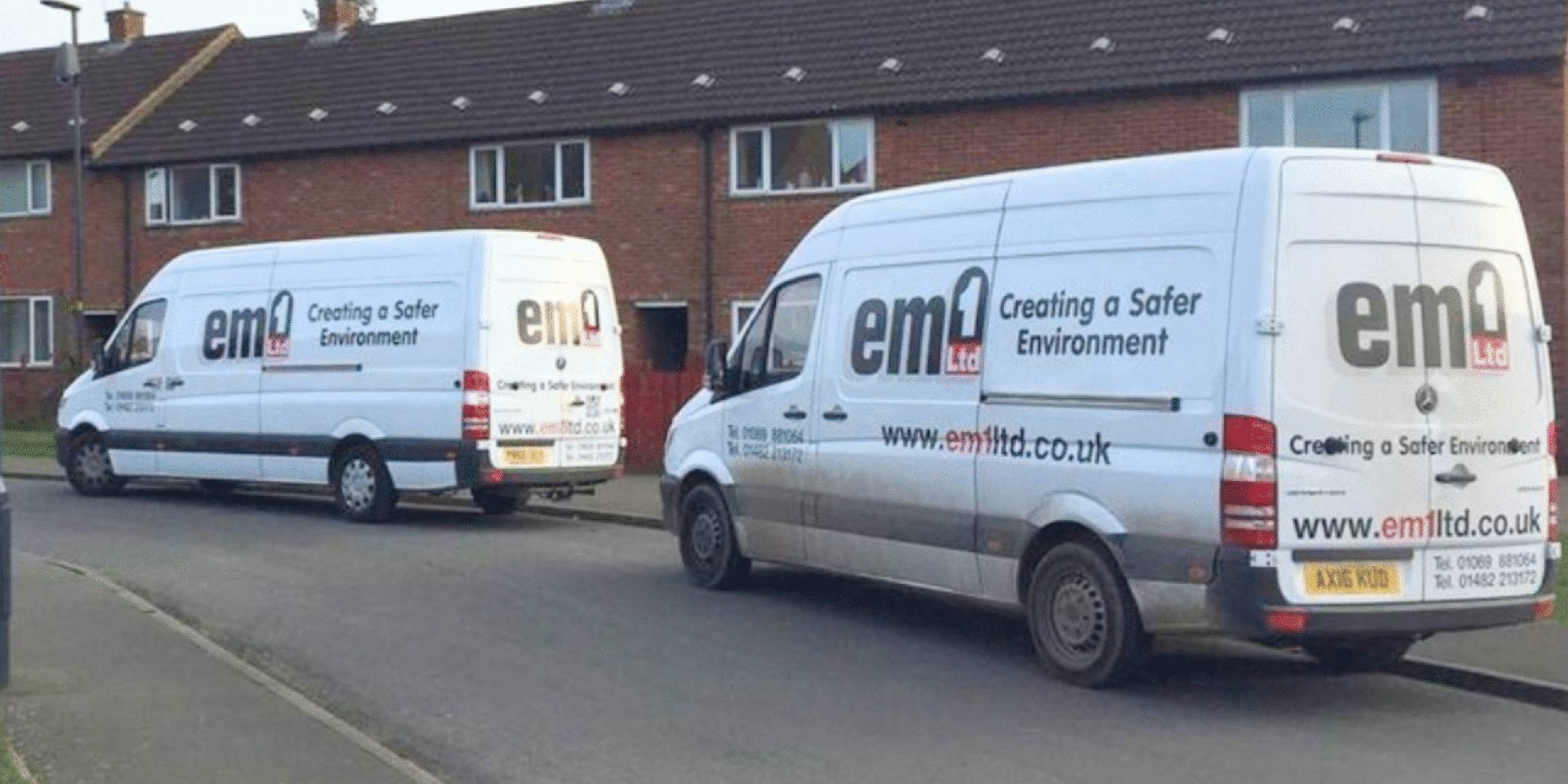
Choosing the right asbestos management approach isn’t a guesswork exercise. At em1, our licensed asbestos contractors operate across Hull, York, and North Yorkshire, offering expert encapsulation and disposal services that comply with all HSE requirements. We can also connect you with a trusted, independent UKAS-accredited surveyor if you need a survey carried out.
Contact our team today for advice and to arrange your asbestos solution and find the safest, most cost-effective option for your property.